


There is a good age to read every book!
I wasn’t a good reader when I was young. I never liked books that took time to read. I struggled through the compulsory summer reading books (we had these in the ’90s). Mostly because we had to read stuff I wasn’t interested in at all. I remember having to read 10 pages a day of a book that I don’t even remember what it was about. It was just a painful exercise. I only enjoyed reading encyclopedias and the Guiness book of records, which had very short paragraphs and lots of pictures.
Then I started reading books that I enjoyed. Novels, stories, fantasy and short stories. This took me on a journey to actually like reading and being interested in books. Unfortunately, most of the books I’ve read when I was an adult already.
I suggest that for every book there is an appropriate age. Some books you should read as a teenager, some as a young adult, some as a grown-up man. The ones I recommend reading as a youngster are the ones that have an easy language, a few strong messages and are short. For example, Rich dad Poor dad. I’ve read it when I was 17, and it had a very strong impact on me. Some others you should read as a grown-up person; these are the ones which require you to have life experience, and in general, experiences you can relate back to the book.
This is just my personal experience and recommendation, only hoping that you or potentially your children will benefit from. I will surely suggest some of these to my kids to read at an age which is most appropriate.
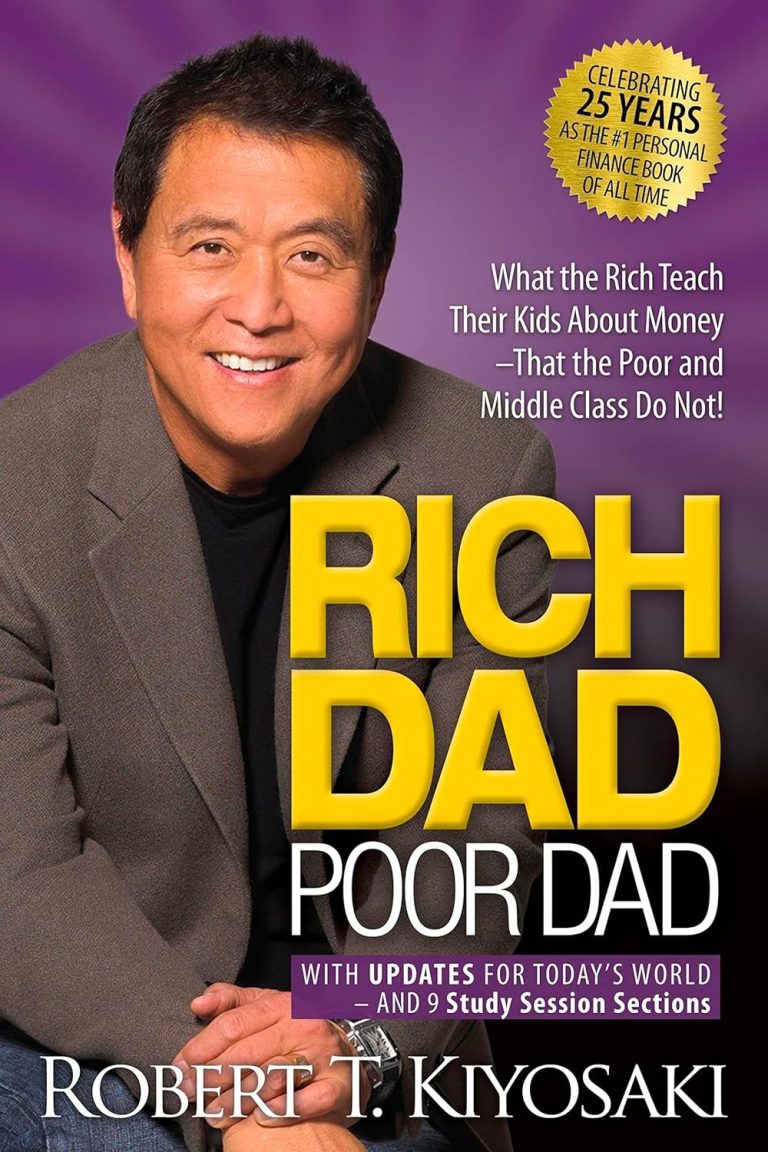
Rich dad, Poor dad
by Robert T. Kiyosaki
I have to write my first book review on this one, as this was the first book on business and investing that I’ve ever read. I don’t remember how, why and when exactly did I purchase it, but I was around 18-20 and eager to learn something about business.
This book by Robert Kyosaki is a rather “basic” book, which I mean in the most positive way possible. It is a rather short book and I recommend everybody to read it, preferably at an early age in life. It has one general concept, but transmits it quite well. The message, to me at least, is that if you want to be rich, your 9-to-5 job will not get you there. For most cases it is true. Another message is that it is way more difficult to earn by investing and doing business than working a dayjob. The risks of loosing everything is higher, you have to work a lot more but the returns are potentially much bigger. In the last 20 years I see it to be true 100%.
There are some things I somewhat disagree with though. I don’t believe having a 9-to-5 is bad. I personally enjoy it, find it challenging and motivating. It does give me the flow, and obviously it is more secure than investing or managing your own company, risking all your finances without a safety net. This has to be a personal choice. I have friends who would never even invest their spare money in stocks, or start up a business, as they are perfectly happy in their job. Others never even had a job, but inherited family businesses, or started their company in school.
The other thing I don’t necessarily agree with is that it puts too much attention on investing in real estate as being the best way. Even though I do invest in real estate, it doesn’t have to be the only thing one does. It can be a rather risk-free element of one’s portfolio, unless this is your hobby as well. Nowadays, doing something on the internet is much more appealing to many. Needless to say, when I first read this book, there was no internet, Facebook or Youtube and definitely no Instagram.
Besides these minor points, the book is an absolute must. I would recommend this as a high-school compulsory reading, or at least a recommended one. It has a very good basic concept that the author transmits well and is a good kick-start for people who have no previous experience in entrepreneurship or investing.
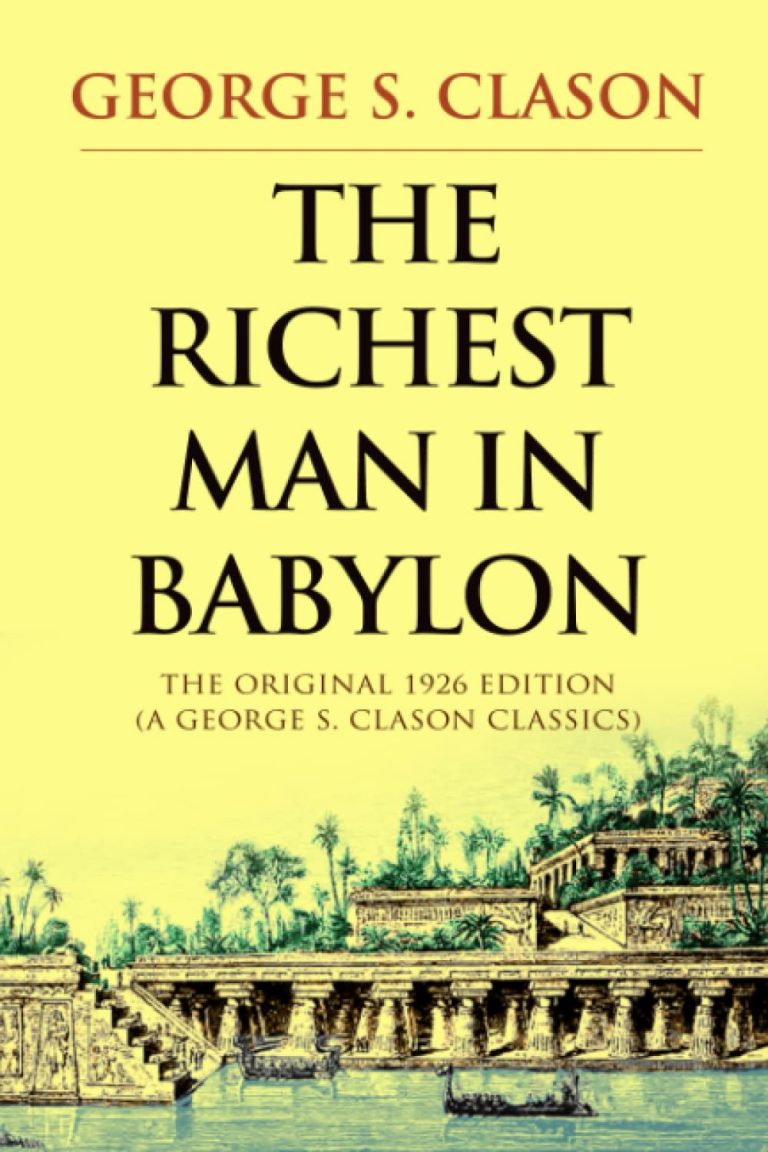
Richest man in Babylon by George S. Clason
This book was written in 1926, but the story is set in ancient Babylon, 4000 years ago. Given the financial literacy of the times, it is a short book with a few good suggestions, but those are constructed and written out well. I would recommend reading it as a young adult or a teenager as it has a few very simple suggestions in the fields of personal finance that young adults can take advantage of. It tells the story of an imaginary person in Babylon who, through the simple rules of financial literacy which are explained in details in the book, obtains wealth and prosperity. The original language of the book is “old” English, which makes it quite difficult to read, but it worth the effort. I guess I’ll make my kids read it early on as reading it as an adult might be too late.
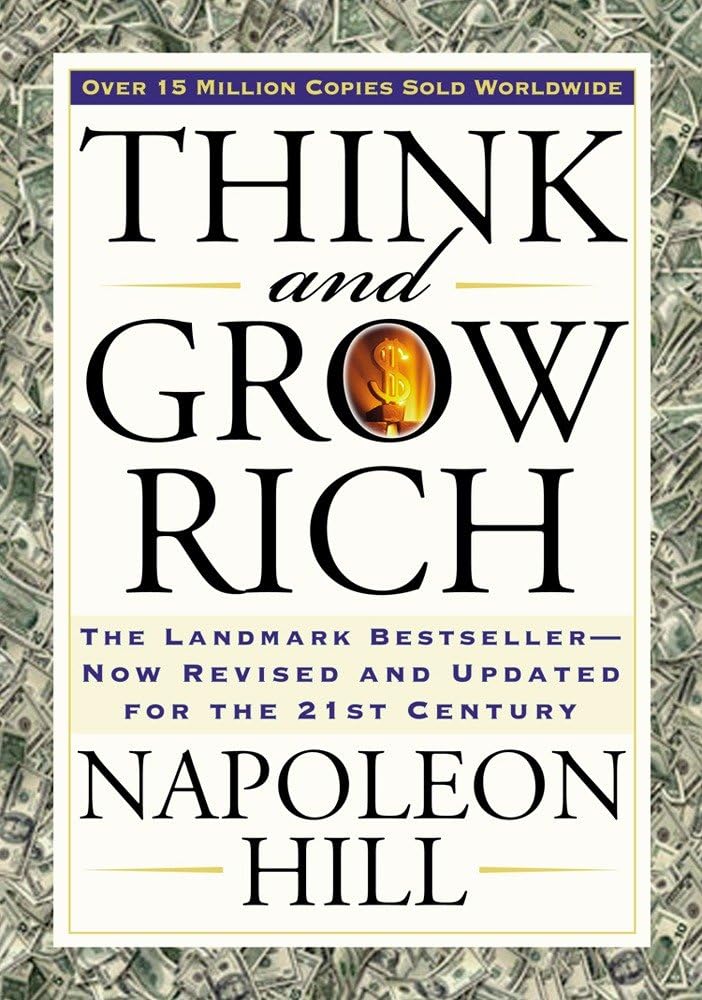
Think and grow rich by Napoleon Hill
This book I’ve read too late in my life. Best time I recommend is in university, when you are already formed to some extent, but need some general directions in life. You need to already have some experience in life, although not necessarily work experience. Napoleon Hill analyzed the life of several hundred individuals, mostly rich and successful people and listed those features, skills, and behaviours that will potentially make you rich or successful in life.
The studies were made in mid twentieth century, but the conclusions he drew and suggestions he makes make sense even in today’s world. It is not a simple book to read. You really have to pay attention, think his words through to absorb the knowledge it wants to transmit.
He educates the reader through real-life examples of well-known individuals, but also unknown ones. He doesn’t suggest becoming rich is easy and immediate (like many recent Youtubers or Instagrammers do). He suggests that you should put in the effort, fight your way through difficult times and always stick to what you want will get you there. It might take you some time and you might suffer through the journey, but it is definitely worth it. Funny enough, it teaches some techniques that I was using way before I read the book, and I can tell you it works. It’s also a nice and easy read with simple language.
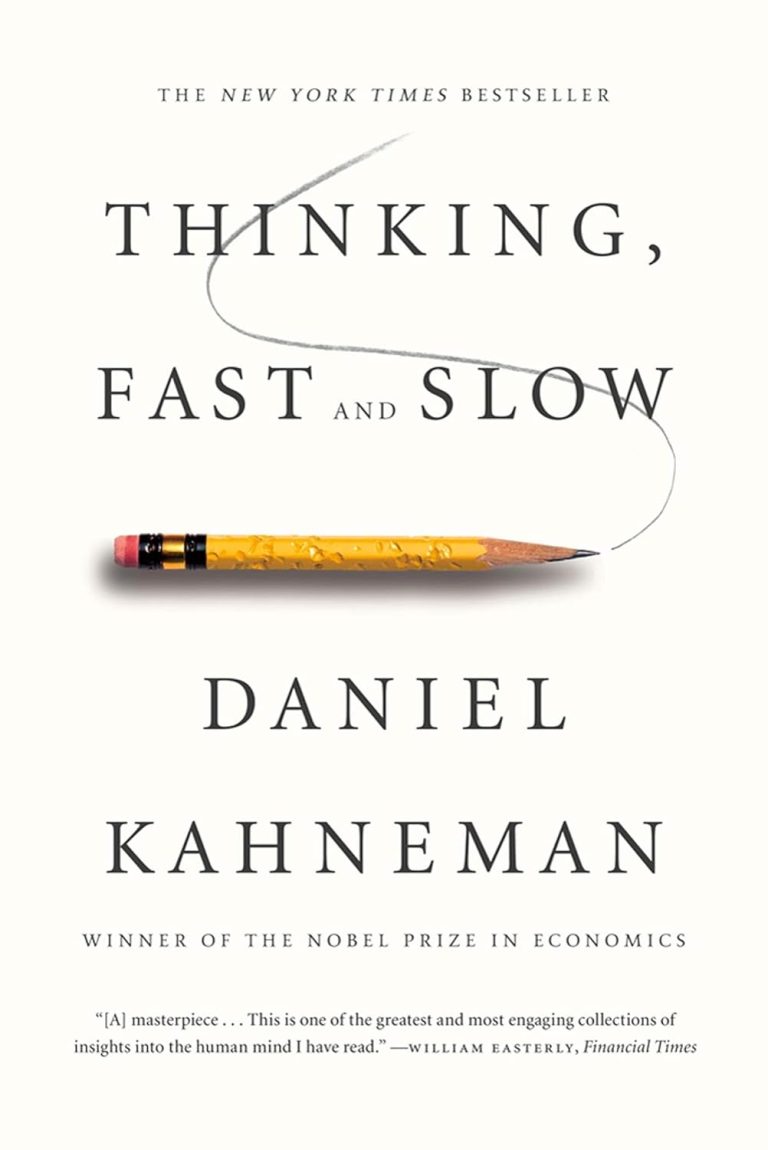
Thinking, fast and slow by Daniel Kahneman
This is a very complex book, very strong on the psychology side and somewhat difficult to read sometimes. It gives you an insight on how our brain works, perceptions, gut feelings, etc. The explanation is through a number of very interesting psychological tests they have conducted over decades. You should read it because it provides practical suggestions that you can use in life, business or personal. Just to give you an example, there is a part which discusses the perception of probability. It brings a test where they ask somebody to name 1 case when a certain thing happened. For example, name 1 case when England’s football team won the World Cup. Probably you can name that, so your perception is that England has a good football team. If I ask you to name 3 cases when this happened, you will have a hard time doing so. Therefore, your perception is that England doesn’t really have a good team.
The writer sometimes uses difficult language and definitions, but the book is very enjoyable through the many examples and tests that are well described. I recommend reading this after a few years of work experience, when you have to start navigating the corporate ladder or difficult situations.